
· Luke Faragher · Mobile Networks · 4 min read
Why your mobile network won't tell you about calls that didn't connect
Your network logs every call it can bill you for - and little else. What a CDR is, why attempted calls vanish, and why that costs businesses money.
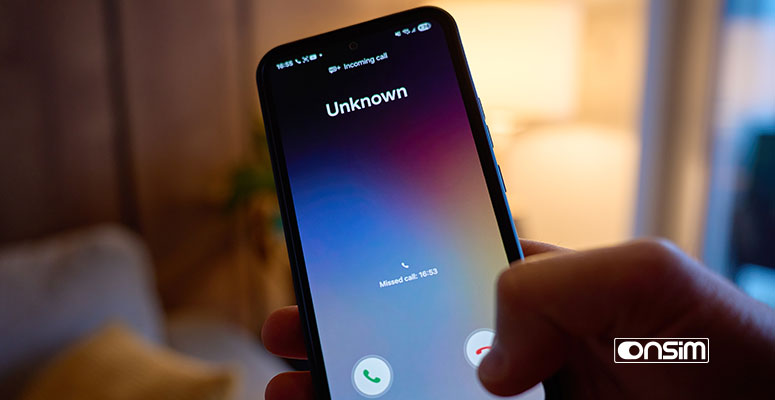
If a driver, engineer or account manager makes a call that rings and rings and nobody answers, ask your mobile network to prove it happened. You’ll hit a wall. It’s not on the bill. It’s not in the online usage log. As far as any record you can get your hands on is concerned, the call never existed.
I’ve been running a mobile network since 2013, so I can tell you exactly why - and it isn’t a technical limitation.
Billing records are not activity records
Everything a traditional network shows you about your own usage is built from CDRs - call detail records. A CDR is generated when there’s a call event the network cares about, and the event the billing system cares about is one it can charge for: a call that connected, lasted a measurable duration, and rates against your tariff.
An outbound call that rings unanswered never connects. Duration: zero. Charge: zero. So it typically never surfaces as a record you can see. The switch knew about the attempt - it set the call up and tore it down - but that knowledge doesn’t survive the journey to anything customer-facing.
The uncomfortable framing, and I’ve heard it put this way inside the industry: an event they can’t bill for isn’t considered your data. You’re a recipient of billing records, not a customer of network insight.
”But my phone shows outgoing calls”
It does - and in a dispute it’s close to worthless. A handset call log can be deleted in two taps, edits leave no trace, and it only exists on one side of the argument. When there’s real money attached to whether a call was attempted, nobody accepts a screenshot of someone’s recents list.
This costs real businesses real money
The clearest example I’ve come across: a person who had worked at one of the big parcel carriers told us the company used to record every driver mobile call - at enormous expense - and then throw the recordings away. They didn’t want the audio. The recording was purely the only evidence their network would give them that an unanswered call attempt had ever happened.
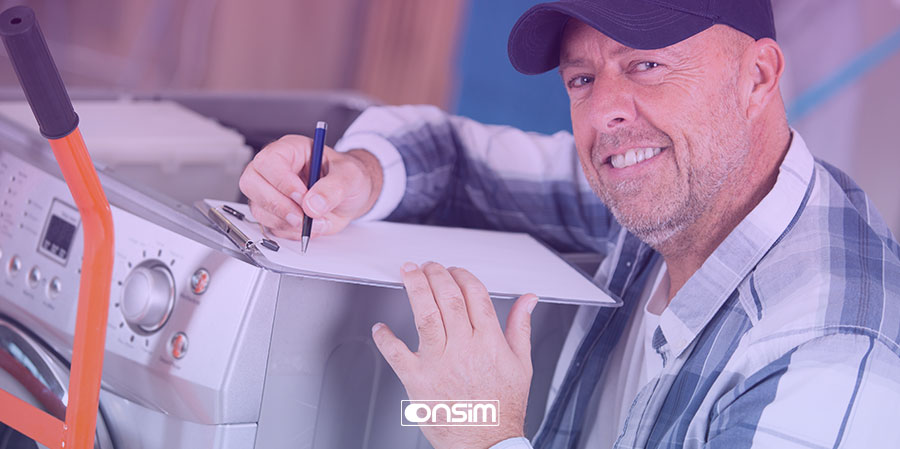
Why did it matter that much? Picture the expensive failed delivery. A driver arrives with a washing machine, calls the number on the delivery note, no answer, moves on. The customer swears blind nobody rang. Now there’s a re-delivery cost, a complaint, maybe a compensation claim - and the whole thing turns on a call that, according to every record the network will provide, never took place.
Couriers feel this most sharply, but the same fight happens everywhere “we tried to reach you” carries weight: trades chasing customers about site access, lettings agents evidencing contact with tenants, recruiters and sales teams working to contact SLAs, care providers showing a welfare check-in call was made.
How ONSIM handles it
ONSIM runs its own network core rather than reselling someone else’s bill. That one architectural choice means we’re not limited to showing you what’s chargeable - we can show you what happened.
So we log every call event in real time, connected or not: a timestamped record of each outbound attempt against the number dialled, visible in your dashboard the moment the driver, engineer or agent hangs up. If you want the evidence inside your own delivery or CRM system, it’s available over our API too. No recordings to store and throw away, no premium add-on - it’s simply your data, which is how we think it should have worked all along.
It sits alongside the rest of our cost controls and reporting: live spend, usage by user, and the ability to see what your fleet’s phones are actually doing rather than what they cost.
The bigger point
None of this is exotic engineering. Every network’s core sees every call attempt - the difference is purely whether the operator considers that information something you’re entitled to. Bills answer “what do I owe you?”. They’re silent on “what did my business actually do today?” - and for a lot of businesses, the second question is worth far more than the first.
If attempted-call evidence would settle arguments in your business, we wrote up the delivery-specific version on our couriers page, or you can get a quote and see the call logs for yourself.
Luke Faragher is the founder of ONSIM, which has run SIM-native business mobile and landline services since 2013. ONSIM is an independent mobile network.